

To set up a simple sales pipeline for a small business, define five or six stages that match how your customers actually buy, write one exit rule for each stage, and track every deal on a single board. The distinction that matters: a pipeline tracks buyer behavior, not your internal to-do list. If a stage can't be proven with something the customer did or said, delete it.
TL;DR:
- Use five or six stages, each ending in a buyer action you can point to, not a feeling.
- Write one exit rule per stage so any two people on your team would move a deal the same way.
- Set a stall limit, such as 2x your average cycle length, and close out deals that exceed it.
- Start in a spreadsheet if you must, but move to a shared board once more than one person touches deals.
- Review the board weekly, and measure three numbers: stage conversion, cycle length and average deal size.
Table of Contents
- What a Simple Sales Pipeline Is, and What It Isn't
- How to Build a Pipeline in Sales: Five Steps in One Afternoon
- The Stages That Work for Most Small Businesses
- The 7 Steps of a Sales Process, and Why They Aren't Your Pipeline Stages
- The 5 C's and the 3-3-3 Rule: Two Frameworks Worth a Paragraph Each
- Stall Limits, Follow-Up Cadence and the Rule That Keeps the Board Honest
- Where to Keep It: Spreadsheet, Free Tool or Self-Hosted Board
- What to Measure Once the Board Is Running
- Get a Sales Board You Own, With No Per-User Fees
- Frequently Asked Questions
- Sources
What a Simple Sales Pipeline Is, and What It Isn't
A pipeline is a visual record of where every open deal stands, from first contact to a signed yes or a clear no. That's all it is.
It is not a forecast. It is not a CRM. It is not a list of everything you plan to do this week. Confusing these is why most small-business pipelines die within a month: the owner builds something that feels like project management, then abandons it because it takes longer to update than to sell.
The same word covers two different tools, and the difference matters for how you build:
| Sales process | Sales pipeline | |
|---|---|---|
| Describes | What you do | Where the buyer is |
| Written from | Your point of view | The customer's point of view |
| Changes when | You change your method | The customer takes an action |
| Example item | "Send proposal" | "Proposal received and opened" |
Build the pipeline from the right-hand column. Your process lives in a separate document, and it can be as long as you like.
How to Build a Pipeline in Sales: Five Steps in One Afternoon
You can set this up in two to three hours. Do it in order.
- List your last 10 closed deals, won and lost. Write down what happened between first contact and the decision. You are looking for the real sequence, not the one you wish you had.
- Group the events into five or six buyer-visible stages. Each stage should be a moment when something changed on the customer's side.
- Write an exit rule for each stage. One sentence, checkable, no judgment calls.
- Add the fields you'll actually use. Contact, deal value, expected close date, source and next step. Nothing else yet.
- Enter every open deal today. A pipeline with half your deals in it teaches you nothing. Put in all of them, including the ones you're embarrassed about.
A pipeline with 12 stages and 4 deals is a filing cabinet. A pipeline with 5 stages and 40 deals is a business.
Pro tip on step one: pull the lost deals first. Lost deals show you where your real stages break. If four of your last five losses went quiet right after a quote, your pipeline needs a stage that treats "quote sent" as its own risk zone, not as a step toward closing.

The Stages That Work for Most Small Businesses

Sales pipeline stages vary by business, but most small teams do well with this skeleton. Rename the stages to fit your market.
| Stage | Exit rule (move forward only when…) | Typical win odds |
|---|---|---|
| 1. New lead | They replied, or you confirmed they fit your basic criteria | Low |
| 2. Qualified | They confirmed a budget range and a timeline in their own words | Moderate |
| 3. Proposal sent | They opened it, or you walked through it with them | Moderate |
| 4. Negotiation | They asked for a change in price, scope or terms | High |
| 5. Closed won / lost | Signed, paid, or a clear no | Final |
Two things to notice. First, every exit rule is something the customer did. Second, "Negotiation" is a good sign, not a bad one: a buyer who haggles is a buyer who's imagining ownership.
When you need a sixth stage
Add one only if a real bottleneck demands it. Common cases: a "Discovery call booked" stage if scheduling is where deals die, or an "Awaiting signature" stage if contracts sit unsigned for days. If you can't name the specific problem a new stage solves, don't add it.
Why the popular stage names don't matter
You'll see long lists of stage names across the internet, including the ones from big CRM vendors' default templates. Treat them as starting points. Defaults are written to suit thousands of different businesses, which means they fit none of them precisely. Your stage names should sound like how your customers talk, not like a textbook.
The 7 Steps of a Sales Process, and Why They Aren't Your Pipeline Stages
The classic seven-step sales process runs: prospecting, preparation, approach, presentation, handling objections, closing and follow-up. It's a useful training model for new salespeople. It is a poor pipeline.
Here's why. Those seven steps describe your activity. A deal can sit in "presentation" for three weeks because the buyer is on vacation, and your board would show it as healthy progress. A pipeline built on activity flatters you. A pipeline built on buyer actions tells you the truth.
Use the seven steps as a checklist for how to train a new hire. Use five buyer-visible stages for the board. Keep them apart.
The 5 C's and the 3-3-3 Rule: Two Frameworks Worth a Paragraph Each
You'll run into both of these while researching, so here is what they are and whether to bother.
The 5 C's of sales vary by author, but a common version is: customer, company, competition, context and collaboration. It's a planning checklist for understanding a deal, not a pipeline structure. Use it when you're prepping for a large opportunity, then forget it.
The 3-3-3 rule has several versions, most of which describe prospecting or follow-up cadence. One common reading: spend three seconds on a hook, three minutes on a pitch, and follow up three times. Treat it as a cadence habit, not a law. The useful part is the follow-up discipline, which brings us to the next section.
My view: skip both as pipeline design tools. Neither tells you where a deal stands. They help you sell; the pipeline helps you see.
Stall Limits, Follow-Up Cadence and the Rule That Keeps the Board Honest

Most pipelines rot from the middle. Deals enter, stall, and never leave. After six months you have 60 "active" opportunities and nobody believes the total.
The fix is a stall limit. Calculate your average sales cycle from those last 10 closed deals, then set a ceiling at twice that number. A deal that has sat in one stage past the limit gets one of three treatments: a direct "should we close this out?" message, a move to a nurture list, or a loss with a recorded reason.
If your average cycle is 21 days, any deal untouched for 42 should leave the board. No exceptions.
Pair this with a follow-up cadence. A reasonable small-team pattern: a touch within a day of any stage change, a second touch after three to four days of silence, and a third at a week. Then stop and apply the stall rule. Chasing a silent buyer for a month is not persistence. It's a pipeline hygiene failure.
Where to Keep It: Spreadsheet, Free Tool or Self-Hosted Board
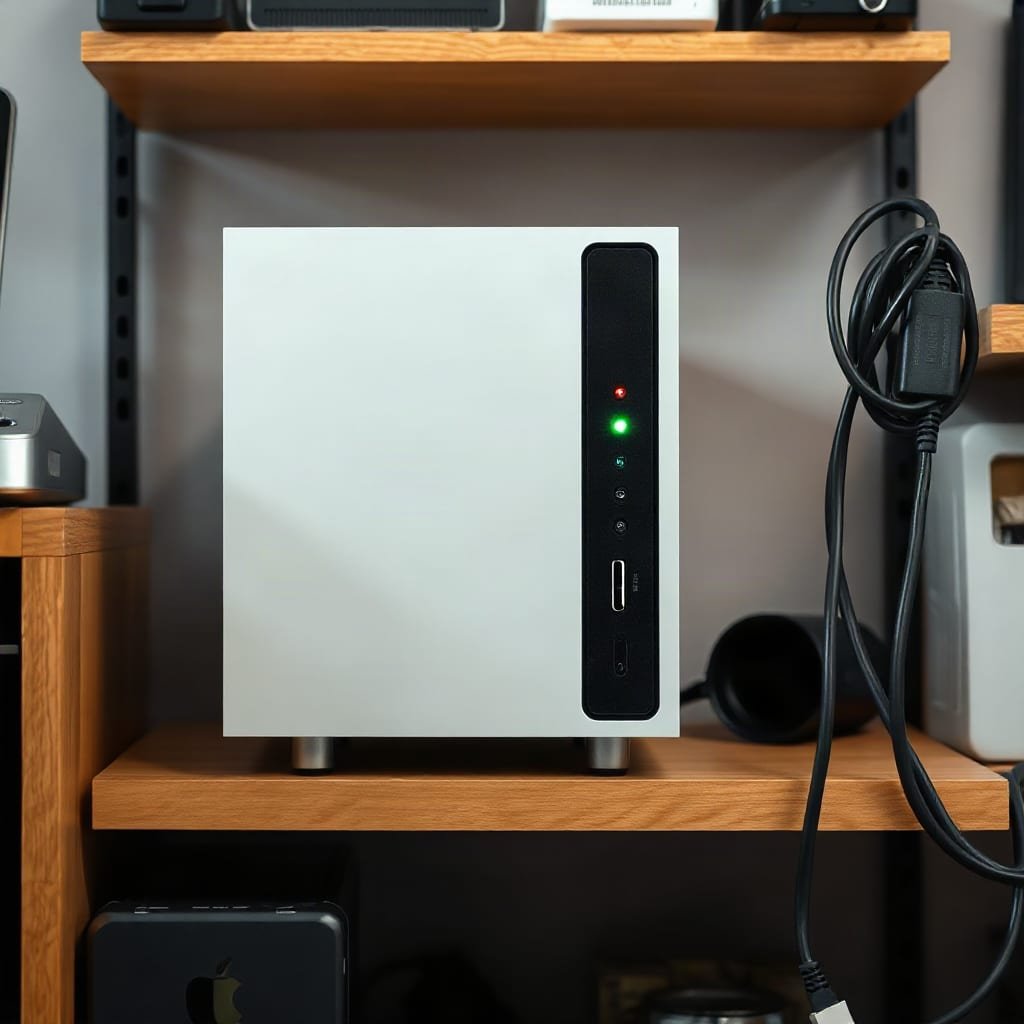
You have three realistic options. Here's an honest comparison.
| Option | Cost | Works well when | Breaks when |
|---|---|---|---|
| Spreadsheet | Free | One person, under 30 deals | Two people edit at once, or you need history |
| Free tier of a hosted CRM | Free to start | You're testing the idea | You hit contact or feature limits, then pay per seat |
| Self-hosted CRM with a sales board | One-time license | Several people, several brands, data you want to own | You don't have anyone who can maintain a server |
My pick: start in a spreadsheet for two weeks to prove you'll actually use a pipeline, then move to a real board. The spreadsheet phase costs nothing and exposes whether your stages make sense. Moving too early means paying to organize a process you haven't defined.
Be wary of "free" tools that charge per user the moment your team grows. If you want the full math on that, see how much a CRM costs per year for 10 users. And if you're weighing the one-time route, buying a CRM once instead of paying monthly lays out the trade-offs.
What to Measure Once the Board Is Running
Skip the dashboards. Track three numbers, reviewed weekly, for the first quarter.
- Stage-to-stage conversion. What share of deals move from one stage to the next? The biggest drop is your biggest problem. Fix that stage before touching anything else.
- Cycle length. Days from first contact to decision. This feeds your stall limit and your cash-flow planning.
- Average deal size. Watch it by source. A channel that sends many small deals and one that sends few large ones need different handling.
Research from Harvard Business Review on sales performance has long pointed to disciplined, consistent process as a separator between stronger and weaker teams, and the weekly review is where that discipline lives. Fifteen minutes, same time each week, one question per stalled deal: what is the next step, and who owns it?
If you run more than one brand, keep the boards separate or at least filterable by brand, or your conversion numbers will blur two different businesses together. One CRM or separate CRMs for each brand gives a clear rule for deciding.
Get a Sales Board You Own, With No Per-User Fees
Everything above works in a spreadsheet until it doesn't: the second person joins, the second brand appears, or you want chats, emails and form submissions sitting on the same record as the deal. Replacrm is a self-hosted CRM with a built-in sales board, so your stages, deal values and customer history live in one place on your own server. It also pulls chats, tickets, forms, email and calls onto a single customer record, and keeps each brand's customers separate under one login.
The license is a one-time payment starting at $1,495, with unlimited users, brands and customers. There are no seats to count and no monthly renewal. The honest caveat: self-hosted means you run it. You need a server and someone comfortable maintaining it, and if that's not you, a hosted tool may suit you better despite the recurring fee. Check the spec sheet against your needs before you buy.
Frequently Asked Questions
How many stages should a small business sales pipeline have?
Five or six. Fewer than four hides where deals stall; more than seven means people stop updating the board. Add a stage only when you can name a specific bottleneck it solves.
How do you build a pipeline in sales if you have no history?
Map the path of your next five deals as they happen, and write down each buyer action that moved them forward. Use those actions as stage exit rules, then revise after you've closed ten or so deals.
What is the 3-3-3 rule in sales?
It's a loose cadence rule with several versions, commonly read as three seconds for a hook, three minutes for a pitch and three follow-ups. Treat it as a habit for outreach discipline, not as a way to structure your pipeline.
What are the 7 steps of a sales process?
Prospecting, preparation, approach, presentation, handling objections, closing and follow-up. These describe what a salesperson does, so they work for training but not as pipeline stages, which should track what the buyer does.
Can I run a sales pipeline for free?
Yes. A shared spreadsheet works for one person and under about 30 deals. Free CRM tiers exist too, but check contact limits and what happens to pricing when you add team members.
Sources
- Harvard Business Review: Sales and Marketing | Harvard Business Review
- U.S. Small Business Administration: Market Research and Competitive Analysis | U.S. Small Business Administration
- Customer Relationship Management overview | Encyclopaedia Britannica
Leave a Reply